

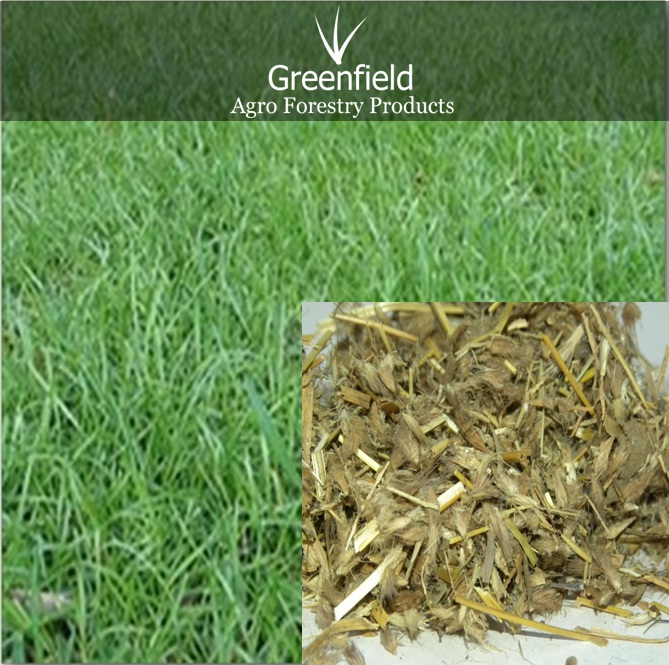
Dinanath grass seeds ( pennisetum pedicellatum )
Specifications
- Brand
- Seeds
- Origin
- India
- Price Term
- EX-Work
- Payment Term
- T/T
Dinanath grass seeds ( pennisetum pedicellatum ) is a Other Agriculture Products product. Key specs — Brand: Seeds; Origin: India; Price Term: EX-Work; Payment Term: T/T.
Product Description
Scientific name :- Dinanath grass (pennisteum pedicellatum) Category :- Grass seeds Shape:- Misc Size:- Minute Color: -Green Usage: – Germination (not for oil extraction) Age: -Fresh (less than a year, good for germination) Scientific Name:- Pennisetum pedicellatum Origin: – India Packing: -5, 10,20,25,50 (P/P) Availability: – Throughout the year
Details : Common name:Desho grass, Deenanath Hindi Name:Deenanath Botanical name:Pennisetum pedicellatum English Name : indigenous grass Family :Poaceae
Desho grass (Pennisetum pedicellatum), known simply as desho, is an indigenous grass of Ethiopia belonging to the Poaceae family of monocot angiosperm plants. It is also known as annual kyasuwa grass in Nigeria, bare in Mauritania, and deenanath grass in India.
It grows in its native geographic location, naturally spreading across the escarpment of the Ethiopian highlands. Widely available in this location, it is ideal for livestock feed and can be sustainably cultivated on small plots of land.
Thus desho is becoming increasingly utilized, along with various soil and water conservation techniques, as a local method of improving grazing land management and combating a growing productivity problem of the local region. Desho is a herbaceous perennial grass which has a massive root system that anchors to the soil.
It has a high biomass producing capacity and grows upright with the potential of reaching 90 cm to 120 cm in height depending on soil fertility. Desho is planted by cuts which have good survival rates and establish better compared to grasses planted by seed. Moreover, desho grows rapidly and is drought resistant once established.
Desho is said to have high nutritive values and is naturally palatable for livestock.
Uses Desho is used as a year round fodder. To maintain the sustainability of the intervention, the plot is permanently made inaccessible to free grazing livestock; instead a cut-and-carry system is encouraged. Cut-and-carry means that desho is harvested and brought to livestock for stall-feeding.
Due to its rapid growth rate, desho provides regular harvests, even reaching monthly cuts during the rainy reason. Once a year, just before the dry season, sufficient grass is harvested and stored as hay to feed the livestock until the rains return.
One study assessed the effectiveness of another use for desho, the use of desho as grass strips, or hedgerows, to protect against runoff and soil loss on the slopes on the Ethiopian highlands.
The results of the study showed that desho grass strips reduce soil loss by approximately 45% in the first few years of establishment compared to areas with no barriers. However, vetiver grass was found to be more effective than desho, and thus vetiver should be used as the preferred grass for hedgerow technology.
Related products 1. Alfalfa grass seeds 2. Sudan grass seeds 3. Stylo hamata grass seeds


